There’s something magical about a personal library — a place where stories live, ideas breathe, and imagination feels at home. Whether you’re an avid reader, a collector of classics, or just starting your literary journey, building and organizing your own home library can be one of the most rewarding projects you’ll ever take on.
1. Start With Your Vision
Before buying shelves or rearranging furniture, decide what kind of library you want to create. Do you imagine a cozy reading nook filled with paperbacks and plants, or a sophisticated wall of hardcovers worthy of a study? Your vision sets the tone. Think about your available space — it could be a full room, a corner, or even a hallway — and design around how you actually enjoy reading.
2. Sort What You Already Have
Gather all your books from around the house. You might be surprised how many are tucked away in closets or stacked under tables. Sort them into categories: keep, donate, or lend. A home library should feel curated, not cluttered. Donating books you no longer love also creates space for new discoveries while giving others a chance to enjoy those stories.
3. Choose the Right Shelving
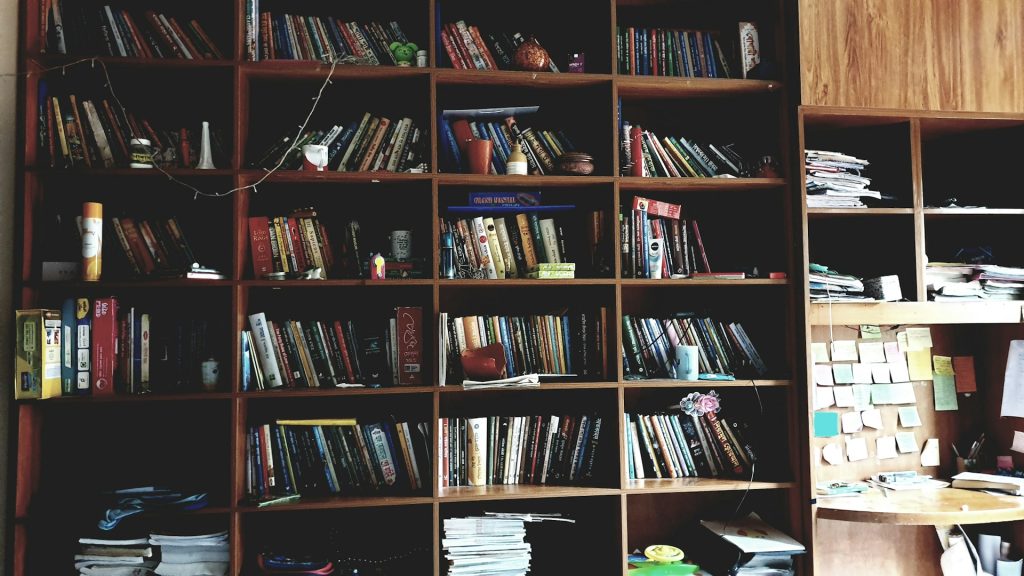
Your shelves are the backbone of your library. Freestanding bookcases are great for flexibility, while built-ins give a polished, architectural look. Adjustable shelves are ideal if you own a mix of tall art books and small paperbacks. For a creative touch, try combining vertical and horizontal stacks, or add a few decorative pieces — framed photos, small sculptures, or candles — to give your shelves personality.
4. Organize With Purpose
There’s no single “right” way to organize your books — only what makes sense to you. Some readers prefer alphabetical order by author, others arrange by genre or color. You might dedicate one shelf to fiction and another to non-fiction, or group books by mood — comfort reads on one shelf, thrillers on another. Labeling sections or using stylish bookends can help keep things neat and visually appealing.
5. Create a Reading Zone
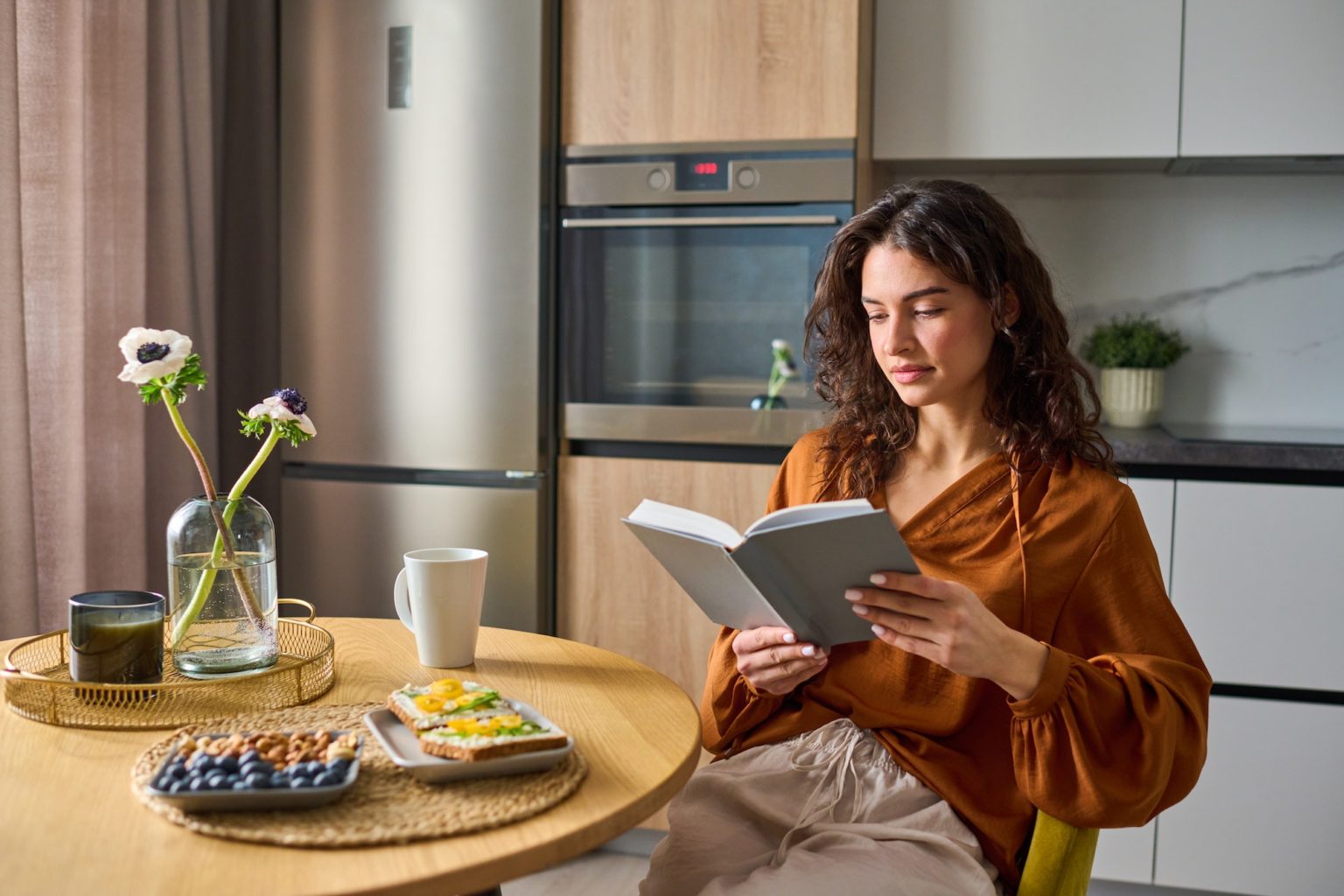
A library isn’t complete without a comfortable reading area. Choose a supportive chair, add a throw blanket, and make sure you have good lighting. A small side table for tea or coffee adds the finishing touch. If space allows, include a sound system or soft background music to set the mood for long reading sessions.
6. Keep It Alive
A home library isn’t a static space; it evolves with you. Rotate books, add new favorites, and let your interests shape the collection over time. Display recently read titles or seasonal themes.
The key is to make your library a living reflection of who you are — a sanctuary that grows as your story unfolds.
Building a home library is about more than storing books. It’s about creating an environment that invites curiosity, inspires creativity, and celebrates the lifelong joy of reading.