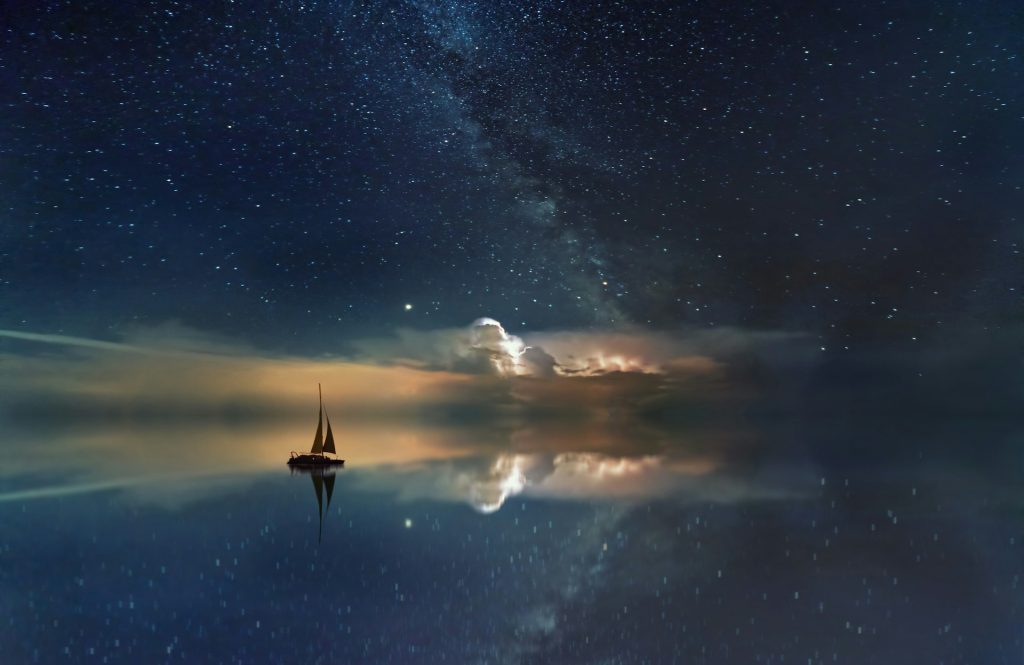
Dreams are the secret language of the subconscious — a realm where imagination roams freely and logic takes a back seat. In dreams, the boundaries of reality vanish. We fly, transform, relive memories, and meet people who never existed. For artists, writers, and creators of every kind, dreams can be one of the most powerful sources of inspiration.
1. The Mind Without Limits
During the day, our thoughts are filtered by rules, responsibilities, and reason. At night, the mind is liberated from those restrictions. Dreams blend experiences, emotions, and fragments of memory into new and unexpected combinations. This is pure creativity in motion — unstructured, instinctive, and limitless. Many of history’s greatest innovators have drawn from this dreamlike state. Mary Shelley’s Frankenstein, for instance, was born from a haunting vision she experienced in her sleep.
2. Tapping Into the Subconscious
Dreams reflect what we often ignore while awake. They reveal hidden fears, unspoken desires, and unresolved ideas. For creatives, this is a treasure chest of raw material. When you remember your dreams and reflect on them, you begin to understand the themes and emotions that truly move you. These insights can evolve into stories, songs, visual art, or even problem-solving breakthroughs.
3. Recording Your Dreams
One of the simplest ways to unlock creative ideas from dreams is to keep a dream journal. Place a notebook or voice recorder by your bed and capture what you remember as soon as you wake up. Don’t worry if the details seem strange or fragmented — that’s often where the magic lies. Later, review your entries and look for patterns or images that stand out. Even a single line from a dream can spark a full-blown creative project.
4. Dream-Inspired Problem Solving
It’s not just artists who benefit from dream creativity — scientists and inventors have long credited dreams with breakthroughs. Chemist August Kekulé discovered the structure of the benzene molecule after dreaming of a snake biting its tail. Dreams allow the brain to continue working on complex ideas in the background, linking concepts that might not connect in our waking state. When you face a creative block, letting your mind rest and drift into sleep can sometimes reveal the answer you were chasing.
5. Turning Dreams Into Art
Dreams invite you to translate emotion into expression. A surreal image can become the seed of a story. A strange feeling from a dream might become a character’s inner struggle. Even the rhythm and tone of a dream can inspire a song, a poem, or a painting. The more you practice observing your dreams, the easier it becomes to translate their abstract language into tangible art.
Dreams remind us that creativity is not something we force — it’s something we allow. When we give the subconscious space to speak, we tap into an endless well of imagination waiting to be heard.
So tonight, as you drift into sleep, remember: the story you’ve been searching for might be waiting for you in your dreams.